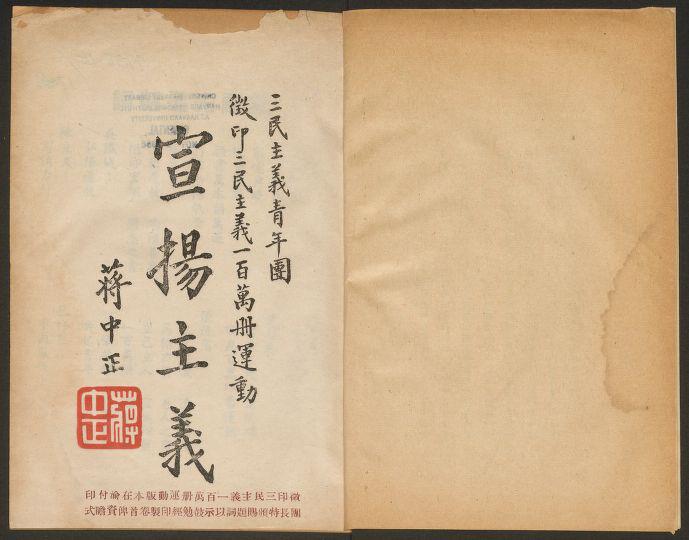
Thursday, January 24th, 2013
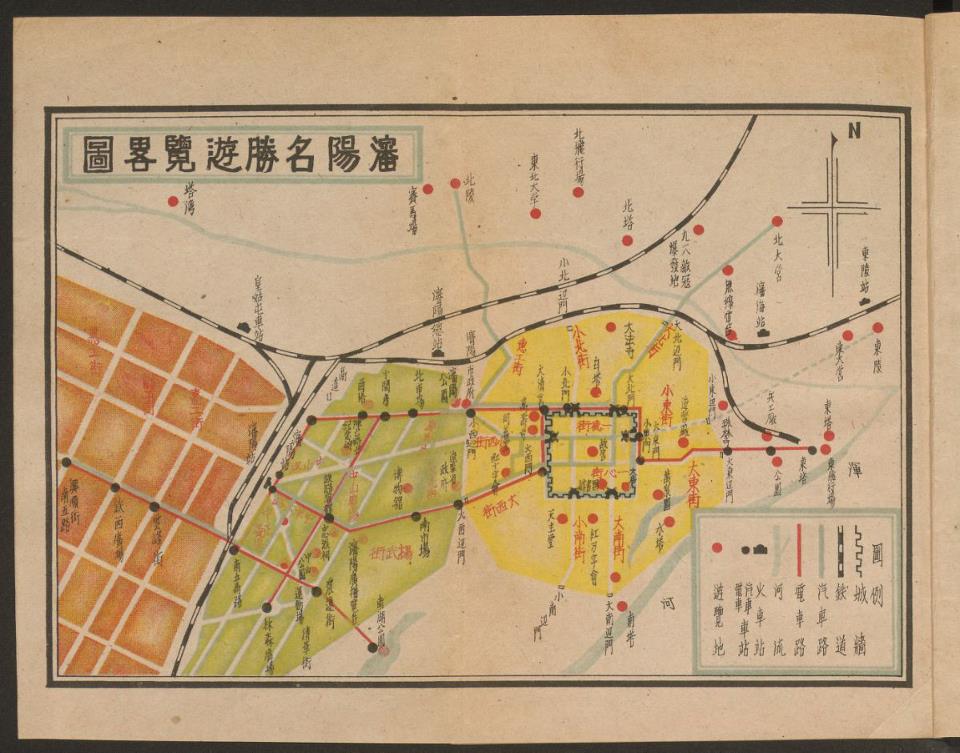
Ever consider visiting Shenyang, or Mukden, the largest city in Northeast China, and one of the former capitals of the Qing dynasty? We highly recommend that you bring this mid-twentieth century Lonely Planet with you to add some historical flavor to your trip.
瀋陽遊覽指南 = sight-seeing programme in Mukden
http://pds.lib.harvard.edu/pds/view/14415959
Tuesday, January 22nd, 2013

Let’s dance with crabs, carrots, etc…
from Database of images of Strange Phenomena and Yokai (Monstrous Beings) 怪異・妖怪画像データベース of the Nichibunken Library.
http://www.nichibun.ac.jp/YoukaiGazouMenu/index.html
Friday, January 18th, 2013
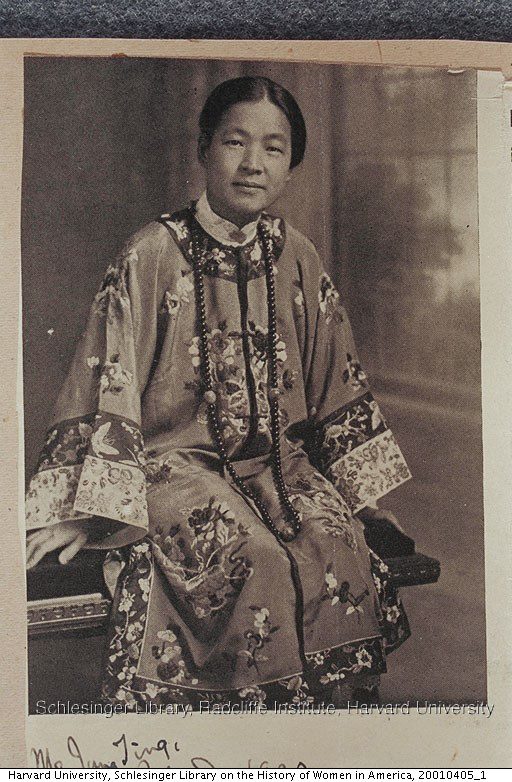
The Arthur and Elizabeth Schlesinger Library of the Radcliffe Institute at Harvard is a research library devoted to the history of women. Although the main body of the library’s collection focuses on women’s experience in the U.S., one can find plentiful materials reflecting the long history of interactions between American women and the world. Here are some photos from its collection about women doctors and nurses working in early twentieth-century China.
You can find more examples on http://hollis.harvard.edu/ or http://via.lib.harvard.edu/ with the title keywords: Portraits of women doctors working in China.
The Arthur and Elizabeth Schlesinger Library
http://www.radcliffe.harvard.edu/schlesinger-library
Thursday, January 17th, 2013
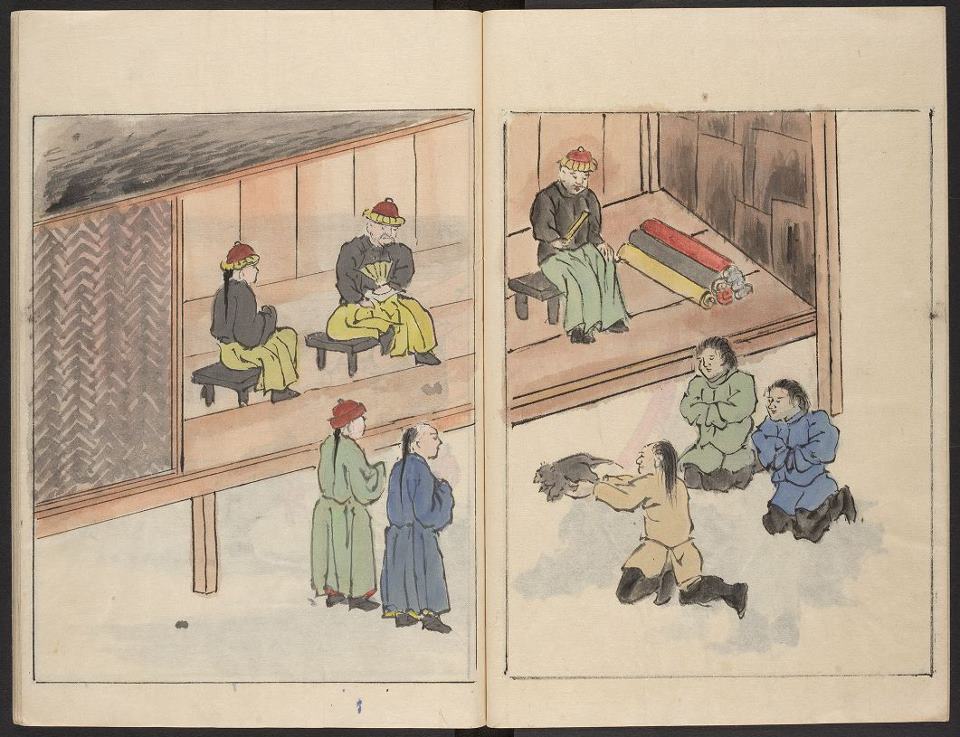
A nineteenth-century Japanese traveler in Heilongjiang (China) and Sakhalin (Russia).
From 間宮林蔵口述, 東韃地方紀行(Tōdatsu chihō kikō), 1810.
http://pds.lib.harvard.edu/pds/view/36701118
Wednesday, January 16th, 2013
Wednesday, January 9th, 2013

Waseda University in Tokyo is digitizing its rare book collection. We sincerely hope the work will be finished soon so that we can see more fascinating stuff like this one: 屁合戦絵巻 hegassen emaki, which depicts people fighting with each other by…
http://www.wul.waseda.ac.jp/kotenseki/html/chi04/chi04_01029/index.html
早稲田大学図書館 古典籍総合データベースグッズ
http://www.wul.waseda.ac.jp/index-j.html
“総数は約30万冊、国宝2件、重要文化財5件を含むあらゆる分野の資料を、具体的詳細な書誌情報と、鮮明なカラー画像でご覧いただけます。”
Tuesday, January 1st, 2013
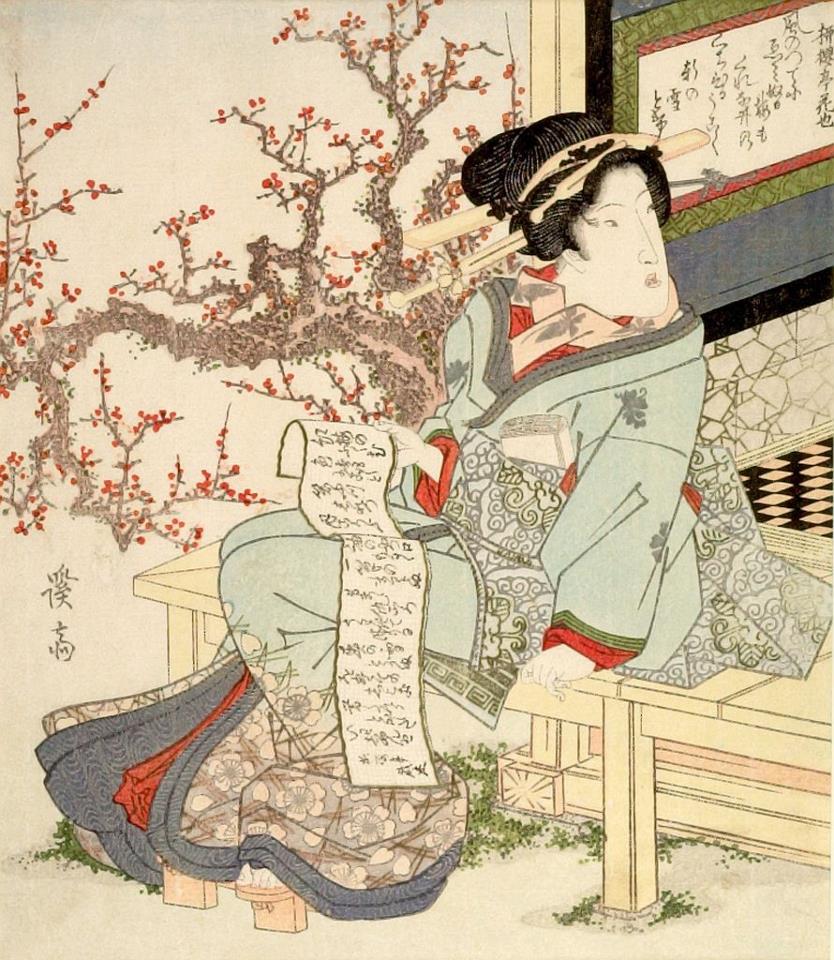
Happy New Year! Harvard-Yenching Library will be reopened on Jan. 2. We wish you all have a wonderful and productive 2013 and look forward to seeing you at the library.
Photo: Yoshinobu Ikeda, The First Letter of the Year
http://via.lib.harvard.edu/via/deliver/chunkDisplay?_collection=via&inoID=117731&recordNumber=195&chunkNumber=1&method=view&image=full&startChunkNum=1&endChunkNum=1&totalChunkCount=1&offset=0
Wednesday, December 19th, 2012
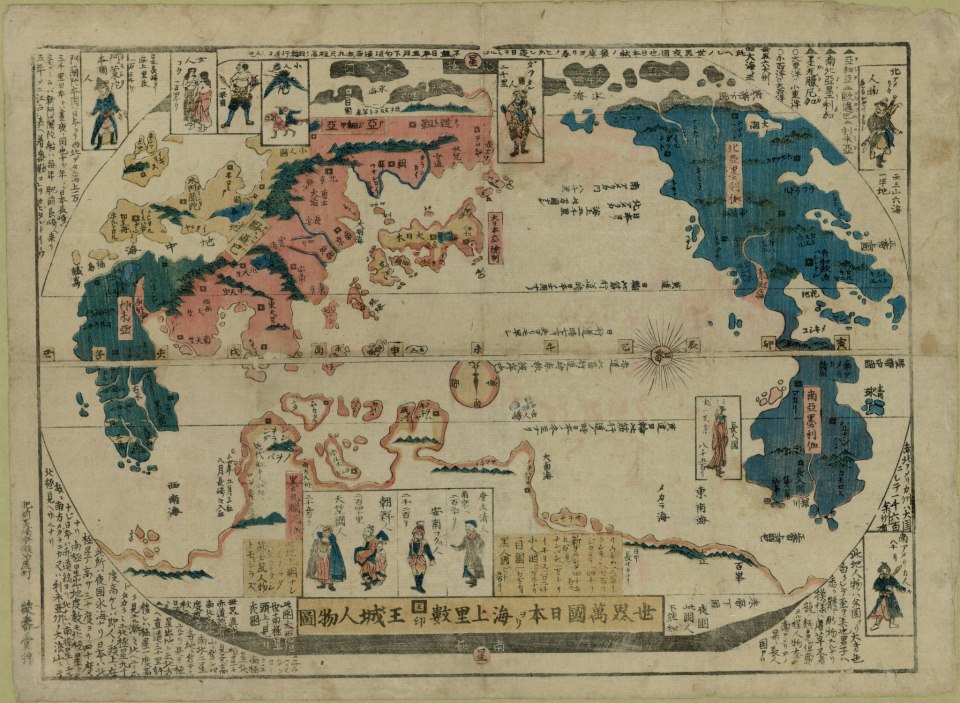
世界萬国日本ヨリ海上里數王城人物圖
http://digitalcollections.library.ubc.ca/cdm/landingpage/collection/tokugawa
More Japanese Maps of the Tokugawa Era can be viewed in this UBC digital library.
http://digitalcollections.library.ubc.ca/cdm/landingpage/collection/tokugawa
“Unlike most of the collections outside Japan, this collection does not contain many government or administrative maps. Its focus is on privately published and travel related maps and guides published in Japan during the Tokugawa or Edo period. There is world coverage, although the majority of maps are of the whole or parts of Japan. A number of prominent Japanese ukiyo-e (woodblock print) artists are represented, among whom are: Hishikawa Moronobu, Miyagawa Chôshun, Shiba Kôkan, Kuwagata Keisai (Shôshin), Katsushika Hokusai, Ando Hiroshige and Hashimoto Sadahide.”
Saturday, December 8th, 2012
Dear Patrons,
The library is now reconstructing the Research Guide for East Asian Studies. Instead of relying on our speculations and conventional wisdom, we decided to take a different approach this time — a kind of crowd-sourcing. We hope you can tell us what you think would make it most useful for you and your students, in terms of the structure and the content.
According to the current scheme, the guide will focus on resources in western languages, with a selection of some most important ones in East Asian languages, and will be arranged by both genre (books, journals, images, etc.) and discipline (literature, philosophy, history, etc.), but these are all subject to change. Any suggestions will be very appreciated!
The library now has three research guide(see below), and we anticipate a preliminary version of this fourth one will be online by the spring term.
Research Guide for Chinese Studies
http://guides.hcl.harvard.edu/Chinese
Research Guide for Japanese Studies
http://guides.hcl.harvard.edu/content.php?pid=227306
Research Guide for Korean Studies
http://guides.hcl.harvard.edu/content.php?pid=186004
The previous version of the Research Guide for East Asian Studies
http://hcl.harvard.edu/research/guides/eastasian/index.html
Thursday, December 6th, 2012
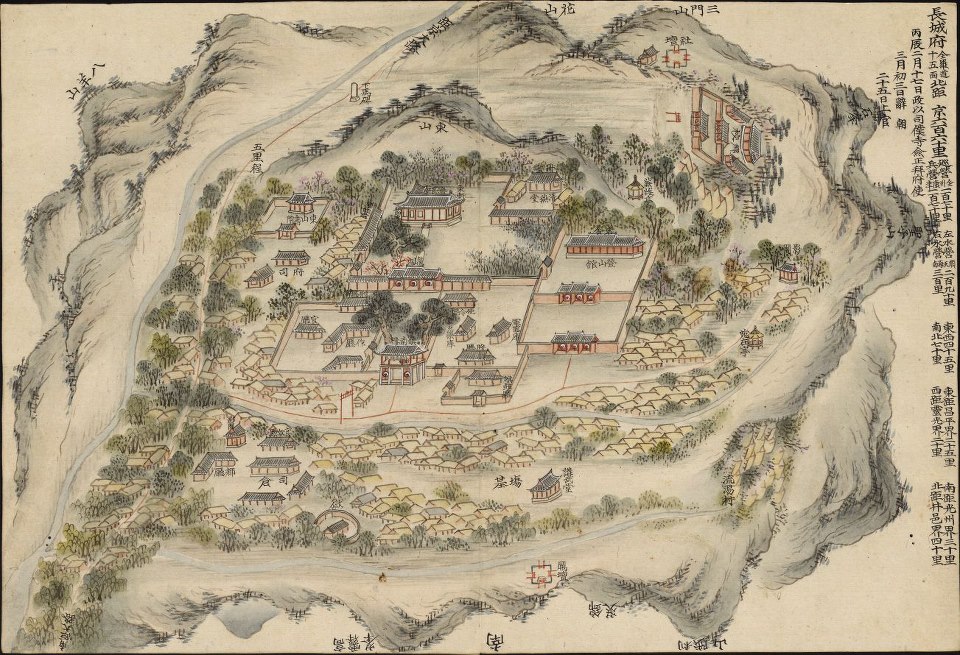
Sukchʻŏn chea to is a visual resume of a Choson Korean official, Han Pʻil-gyo, who recorded the places he had worked for through illustrations.
For full digital version: http://pds.lib.harvard.edu/pds/view/7829249?n=1&printThumbnails=true
For more information about the illustrations, see Kim, Sun Joo. 2012. 숙천제아도 Illustration of My Places of Work (Sukch’ŏn chea to 宿踐諸衙圖): A Visual Journey of One Man’s Career. , Seoul, Korea: Minsokwon http://www.minsokwon.com/booklist/book_specific.asp?bookno=1801