Cravath International Fellows explore law abroad

2017 Cravath Fellows

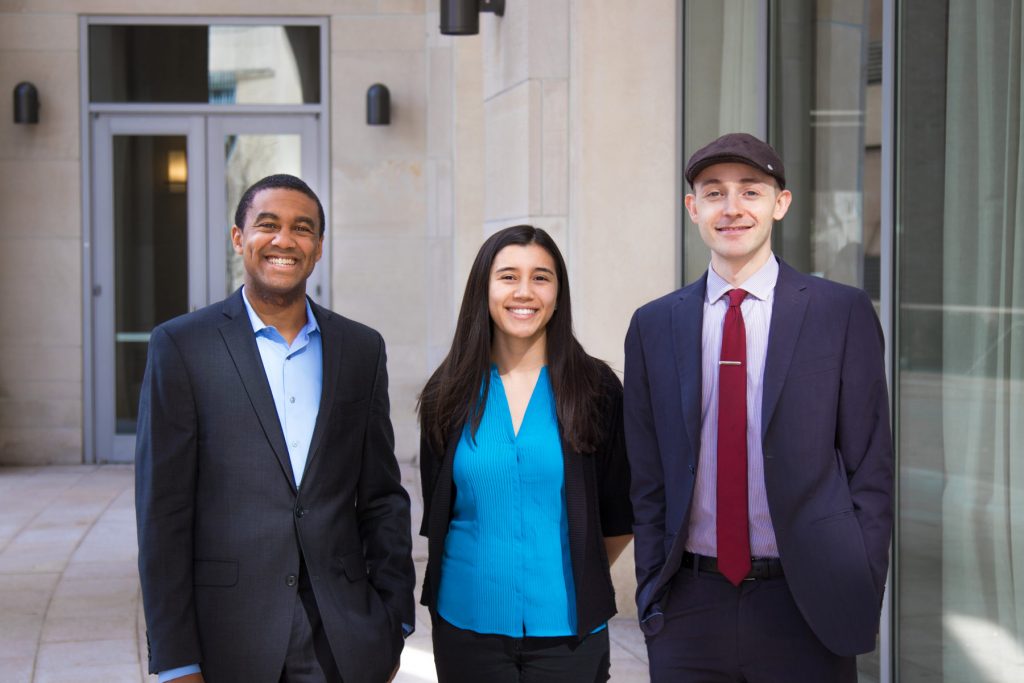
(L-R) Richard H. Gadsden ’17, Carina Bentata ’18, Lane Kauder ’18

This year, 11 Harvard Law School students were selected as Cravath International Fellows. During winter term, they traveled to 11 countries to pursue clinical placements or independent research with an international, transnational, or comparative law focus. Harvard Law Today offers a look at the experiences of three of these students.

Photo Credit: Lorin Granger/HLS Staff Photographer

Welcome to the fall 2016 exchange students!

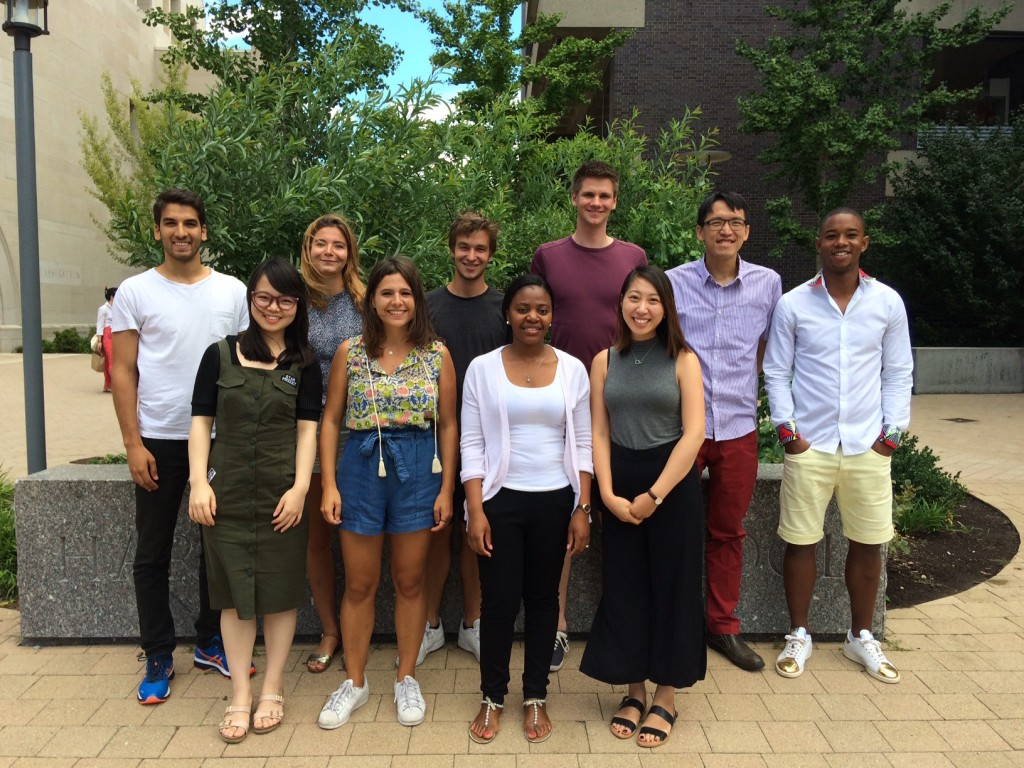
Fall 2016 exchange students at HLS.

This fall, 10 students from law schools abroad are studying at HLS as part of exchange agreements. At the same time, 11 HLS students are studying in France, Ghana, Japan, Switzerland, and the U.K.

We hope you’ll have a chance to meet these visiting students.

Pictured above, left to right: John Sabet (Sciences Po, France), LU Zhe (Renmin University, China), Camille Fromentin (Sciences Po, France), Manon Pasquier (University of Geneva, Switzerland), Maxime Lambilliotte (Sciences Po, France), Sharon Nyatsanza (University of the Witwatersrand, South Africa), Lukas Hafner (Graduate Institute of International and Development Studies,Switzerland), Megan Ma (Sciences Po, France), Joshua Neoh Weng Fei (University of Cambridge, U.K.), Abdul Carrupt (University of Geneva, Switzerland).

Where can study abroad take you? Visit the semester abroad pages in the International Legal Studies section of the HLS website, and watch the ILS Events page and this blog for postings about information sessions scheduled in September and later in the year.

Chayes Fellow Edith Sangueza ’18 on working at Insituto para las Mujeres en la Migracion in Mexico.

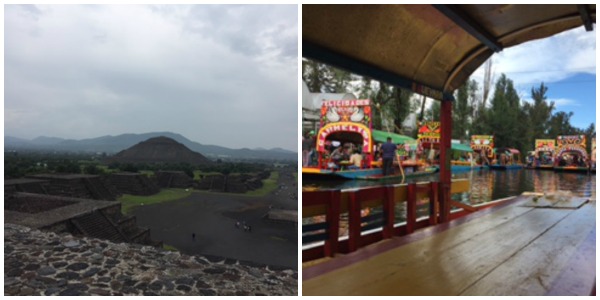
Teotihuacan and Xochimilco, Mexico.

Teotihuacan and Xochimilco, Mexico. Photos courtesy of Edith Sangueza.

I have really been enjoying my work at IMUMI. I have been working on three big client cases—two U visas (victims of criminal activity) and one VAWA visa (violence against women). I interviewed the three clients and drafted their declarations. All of my supervisor’s clients have been so generous and brave in sharing their stories. I sent out U visa certification requests to the relevant police departments, and we are waiting to hear back from them, hopefully with certification. While I learned about U and VAWA visas in my Immigration Law class, it has been a totally different matter to help put together a completed application, and I have a new understanding of how long and complicated a process it is to apply for a humanitarian visa.

I have also helped with a number of smaller tasks, such as requesting birth certificates and apostilles from different states where the clients’ children were born. Many Mexican national parents living in the U.S. don’t realize that they can register their U.S.-born children for dual nationality, and then once they return to Mexico, they need to request a copy of their child’s birth certificate, along with an apostille, before they can register their children as Mexican. Without Mexican nationality, children often can’t get access to important benefits such as medical care or food benefits, and sometimes they have difficulty enrolling in school.

Finally, building on a previous intern’s work, I am putting together a paper detailing the challenges that many transnational families face with access to identity. I am working on finishing as my time here winds down. The summer has really flown by, and I can’t believe I will only be here for another two weeks!

Chayes Fellow Michael Jung ’18 on working at UNICEF in Thailand

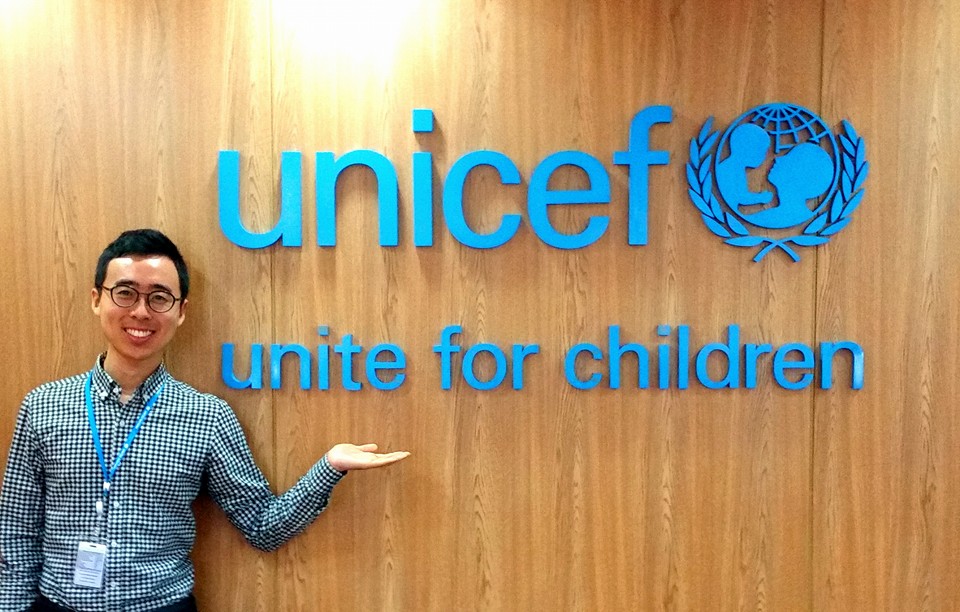
Michael Jung '18 at UNICEF offices in Bangkok

Michael Jung ’18 at the UNICEF offices in Bangkok. All photos courtesy of Michael Jung.

Working at the UNICEF East Asia and Pacific Regional Office (EAPRO) in Bangkok has been a phenomenal learning experience. My work primarily deals with violence against children and justice for children in the 28 countries that are overseen by EAPRO.

I’ve been writing and conducting extensive legal research and legislative and policy analyses. It’s been fascinating to observe the incredibly diverse legal frameworks on children and juvenile justice, and particularly exciting to see the legislative reforms and initiatives in recent and upcoming months.
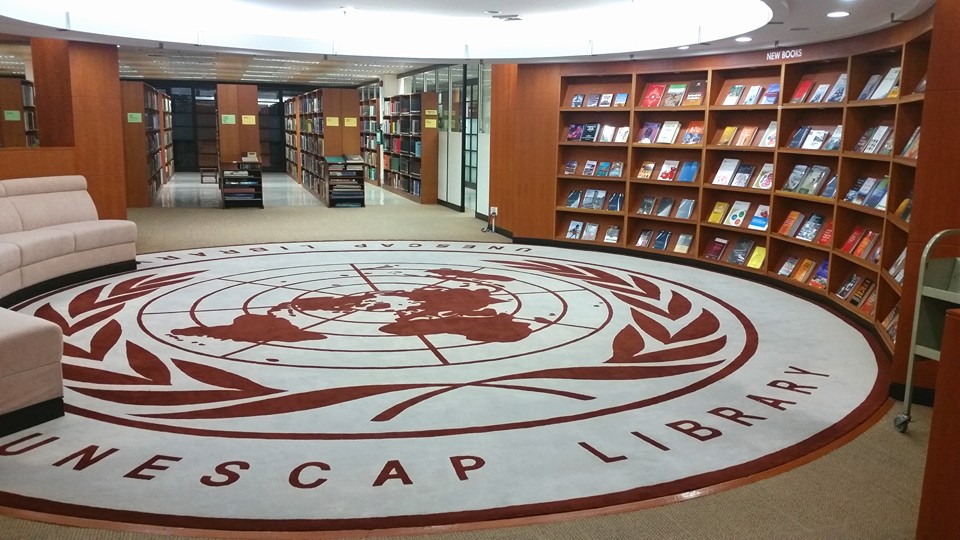
UNICEF EAPRO library


On top of the respectable mandate of UNICEF, every person in our office is inspirational, and my supervisor is simply fantastic with profound expertise and experience in this field. I already feel as though I have been with UNICEF for years.
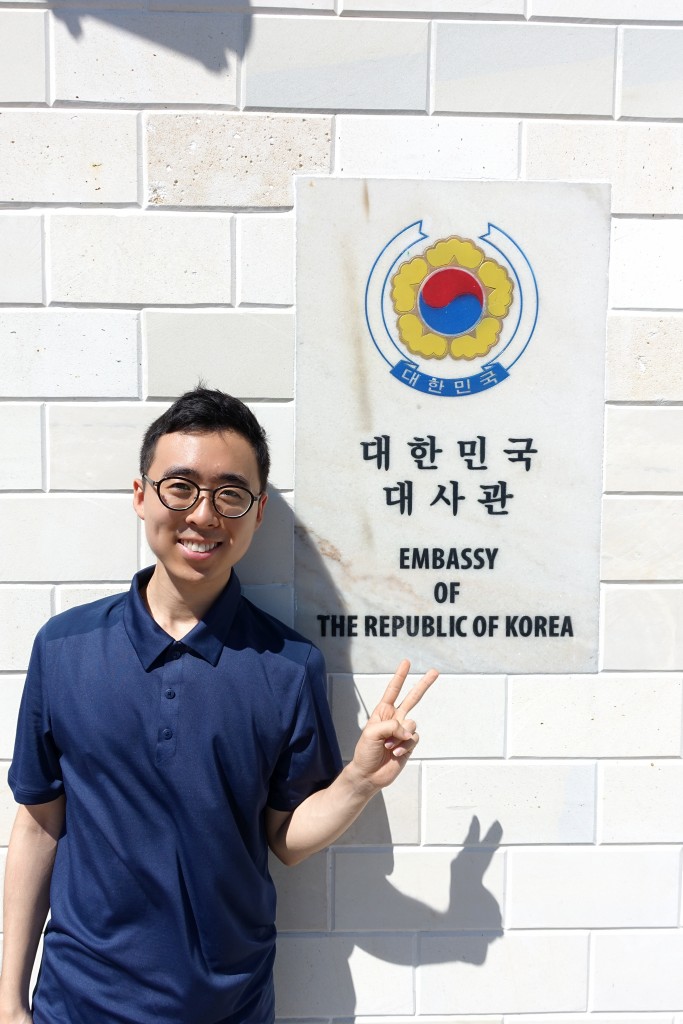
Timor-Leste Embassy

I recently returned from a UNICEF mission to Timor-Leste that was aimed at better understanding the landscape of juvenile justice and better strategizing the efforts of UNICEF in the country. It was an extraordinary opportunity to visit a prison facility and engage with the incarcerated young persons, meet with the legal drafter of the forthcoming laws on children, and speak with various actors in the system including ministry officials, prosecutors, and legal aid organizations.

In Bangkok, I was able to visit a juvenile vocational training center for boys and assist with a juvenile justice meeting attended by representatives of the 10 ASEAN countries and other entities in the region. I also had the occasion of visiting the U.S. Embassy in Bangkok with my three HLS colleagues here and had some interesting discussions with two political officers, one dealing with human rights and another dealing with security, cybersecurity, and issues in the deep south of Thailand.
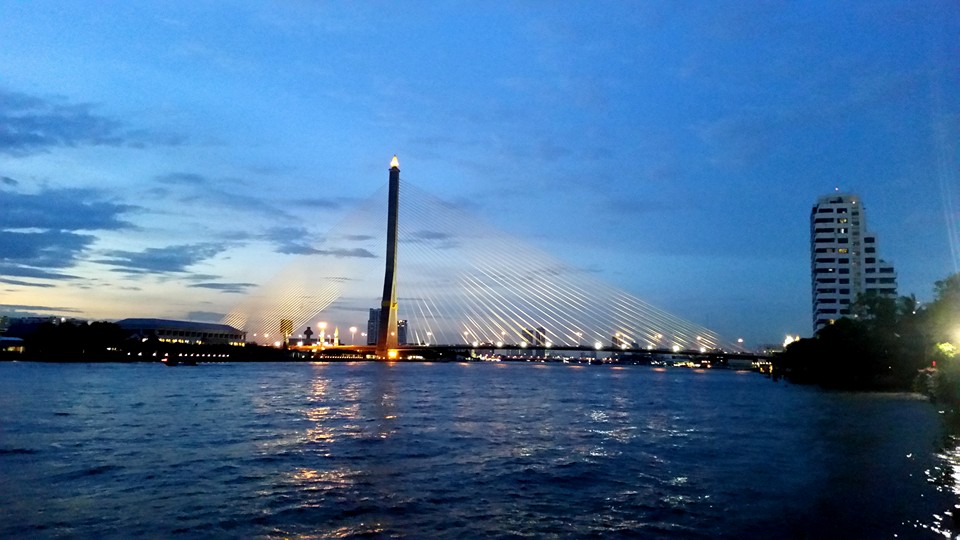
Bangkok night shot
Bangkok is a wonderful place to be, especially given the number of organizations and regional bodies in the city, and my collaboration with various individuals has led to some thrilling opportunities in the months to come. The weather is hot, but that is exactly the way I like it, and I love the district I live in (the older part of the city).

I couldn’t have asked for a better summer, and I look forward to seeing the types of work I will be conducting going forward!

Sarah Dorman ’18 on working at Dejusticia in Colombia

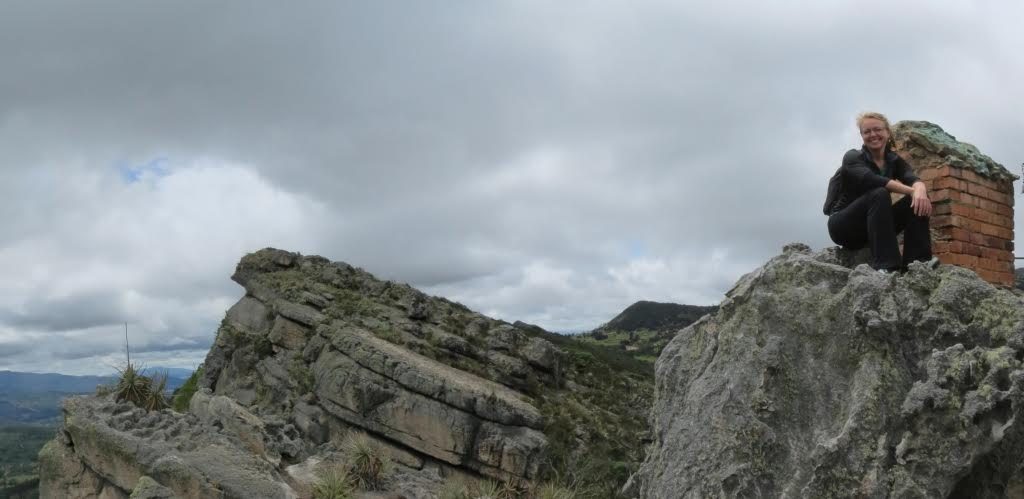
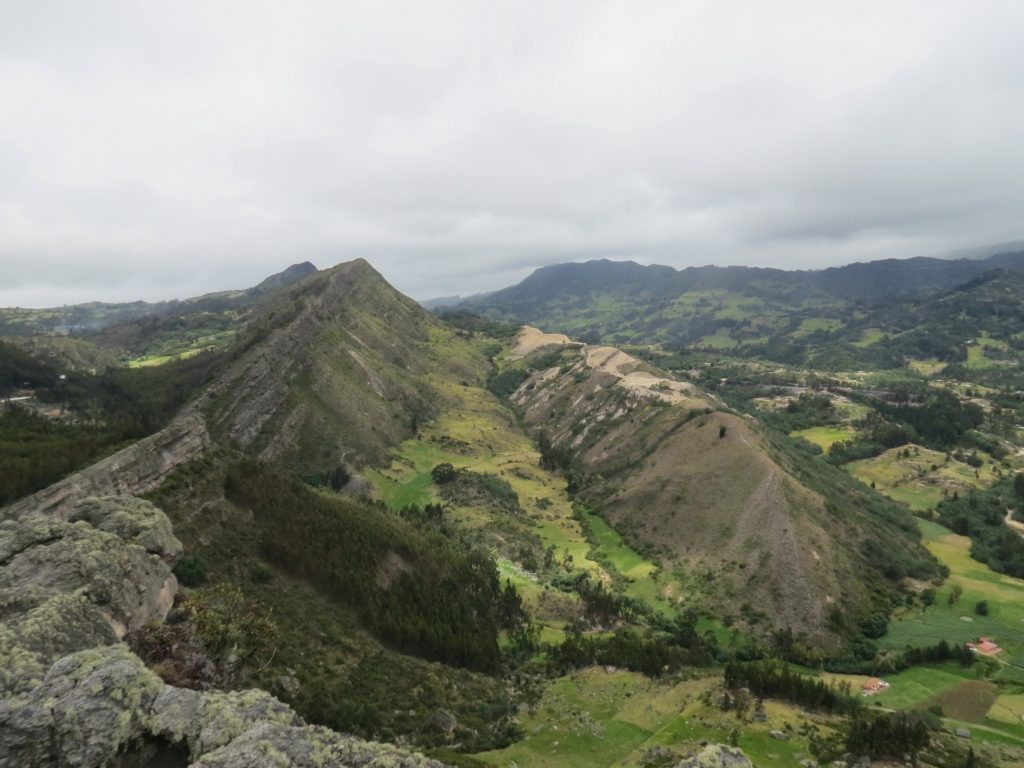
Sarah Dorman in ColombiaI feel so fortunate to be here at this time, as the peace accords between the FARC and the government are being finalized. It was incredible to be here a couple of weeks ago when an agreement was reached on one of the remaining points for the overall peace agreement, including terms for a bilateral ceasefire and for disarmament of the FARC.  And although no one knows for sure whether a final accord will be signed this summer, it definitely makes for a lot of fascinating conversations, and I have really loved reading and learning about such things as the historical roots of the conflict, previous negotiations with the FARC and other armed groups, and ongoing challenges facing the country.dpp_0013
In addition, I’ve really enjoyed getting to know more about the work of Dejusticia. Their model of “action-research” is particularly interesting to me. I appreciate how they strive to couple rigorous academic work with hands-on initiatives, such as bringing rights-related litigation and proposing public policy reforms.

I myself have been tackling three research projects throughout the summer, all related to the Special Peace Tribunal that is expected to be set up as part of the final peace accord.  First, I was asked to conduct comparative research on models for judicial administration (including those of the international criminal tribunals, hybrid tribunals, and certain criminal justice systems in Latin America) and to draw out lessons-learned that might be applicable to the Colombian Peace Tribunal.  I am currently working on similar research around guarantees for defendants’ rights. In the coming weeks I will also be looking at how previous tribunals dealing with mass crimes have created space for victims to participate in their criminal justice processes.

Sarah Dorman photo of Bogota

One aspect of life here that I have been grappling with on a day-to-day basis is the fact that Bogota is deeply divided along economic lines: The northern half is known as being very wealthy, with expensive cafes and restaurants, while the southern half is known for being much poorer overall. I understand that crime rates are significantly higher in the southern part of the city, and it is in the southern outskirts of Bogota and up into the surrounding mountains that many internally displaced Colombians have established informal settlements. Living and working in the north myself, I do feel like I’m living in a bubble of wealth and privilege, which I wasn’t particularly expecting before coming here.  In fact, most of the Colombians I know have rarely if ever set foot in the southern half of Bogota, which I find somewhat troubling but perhaps not surprising.

One thing I have particularly appreciated is being able to connect with the network of Harvard alumni living here in Bogota.  I’ve had the pleasure of getting together with two Colombian LL.M.s that I was friends with this last year, as well as another current JD student and a recent Harvard graduate. I am grateful for the experience and knowledge of Colombia that they all are so willing to share with me!