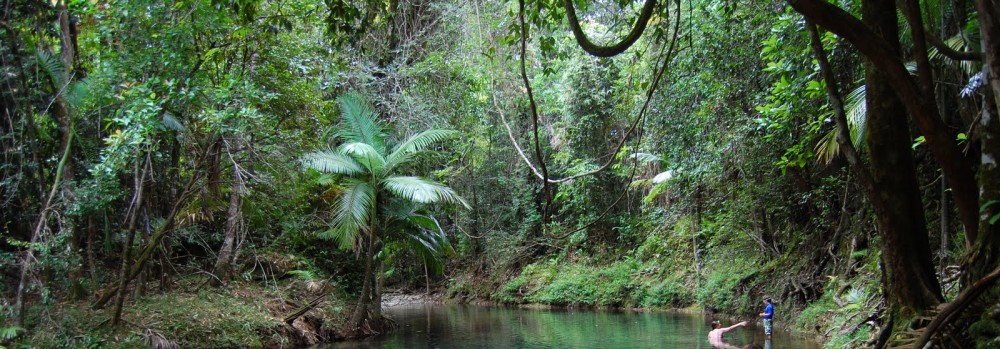
The Green Man, also known as “Jack in the Green” is an art motif, typically depicted as the head of a bearded man surrounded by or emerging from vegetation.
Category Archives: architecture
Tajik Buddhist Monasteries
Probably the best-known Buddhist monastic archeological site in what is now Tajikistan is at Ajina Tepa, which has been diligently excavated and published by Litvinsky and others. It’s a fascinating site.
Lesser known, and less impressive in size and sophistication if not in location than Ajina Tepa, is the stupa at Vrang, on the Afghan border in the Pamirs. (It’s at 37° 0′ N 72° 22′ E.)
Architect whiteboard

30 St. Mary’s Axe
The Provisional IRA bombed the City of London in 1992, causing £800m in damages. The bomb was centered (51.5144,-0.081) on St. Mary’s Axe, a small street off of Threadneedle. The street’s name is a conflation of St. Mary’s Parish and a pub that used to have an axe as its symbol. Very English. Pronounced Simmery’s Axe, supposedly.
The bomb damaged the Baltic Exchange, a shipping stock market of sorts, based on a coffee shop formerly named The Virginia and Baltick. At least one exchange employee (there were only 20 in all) was killed in the attack. The exchange is famous — well somewhat famous in certain circles — for publishing the Baltic Index, a measure of shipping prices around the world that is seen by finance nerds as a good leading indicator of economic activity since there isn’t any speculative action in the index (i.e., it’s all real prices by real players in the wet market as it were) and because it forecasts how much demand there is for moving raw materials which then get turned into food and computers and so on in the future. Anyway.
On the origins of monasticism (beer-related)
Christian monasticism, the story goes, began all at once with the hermit St. Anthony in the Egyptian desert in 310 AD, to be precise in a way that seems improbable. However it started, it spread rapidly. Within a few years, the phenomenon is widespread, with centers in Syria and Egypt. Within the lifetime of Anthony’s devotee, St. Macarius, there were 50,000 monks in the Egyptian desert; an apocryphal number, to be sure, but still: many. Peter Brown in his essential Rise of Western Christendom notes Martin’s Loire Valley monastery with monks wearing Egyptian camel hair robes and Roman Christian women travelling to nunneries in  Jerusalem by 380 AD. By the fifth century we have the Rule of St. Benedict and evidence of Christian monasticism in Ireland (and, eventually, California.) The Irish for monastery is “mainistir” but it was common to name monasteries in Ireland “deserts” (disert, dysert, dysart, disart, desert), since they wanted to emulate the desert fathers of Syria and Egypt even in the wet green fields of Ireland.

Did all this spring from nothing? It seems that there were, in the first centuries after Christ, wandering bands of celibate renunciants in Syria. And we know about sadhu-like movements and charismatic preachers throughout the world of late antiquity in the eastern Mediterranean. Around this time there were also ‘philosophical schools,’ such as the Neopythagoreans, which had many characteristics that later came to be called monastic. But there are many ‘sadhu-like’ movements and philosophical schools and few monastic ones.