
I am pleased to announce the 1.00.00 release of a new templated mega-menu provider. It is based on, and derives its functionality from, the default DNNMenu.
(more…)
I am pleased to announce the 1.00.00 release of a new templated mega-menu provider. It is based on, and derives its functionality from, the default DNNMenu.
(more…)
I am pleased to announce the publically-available preview of a new templated mega-menu provider. This preview is for internal evaluation only, and should not be used in production. A full release, including source, is expected at the end of the month.
The provider allows for marking one or more pages as being templated; during instantiation these templates are dynamically inserted into the page. The templates are highly flexible and may be deployed at the site, skin, or portal level. This allows for great flexibility in user experience.
The project is hosted on CodePlex and is located here.
By way of example, the default templates available allows styling of the DotNetNuke administrator menu as:
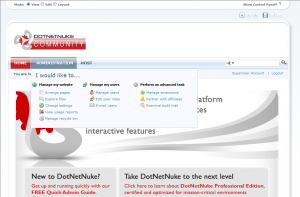
DotNetNuke DNNMenu Templated-Menu Provider Screenshot with Wide Rendering
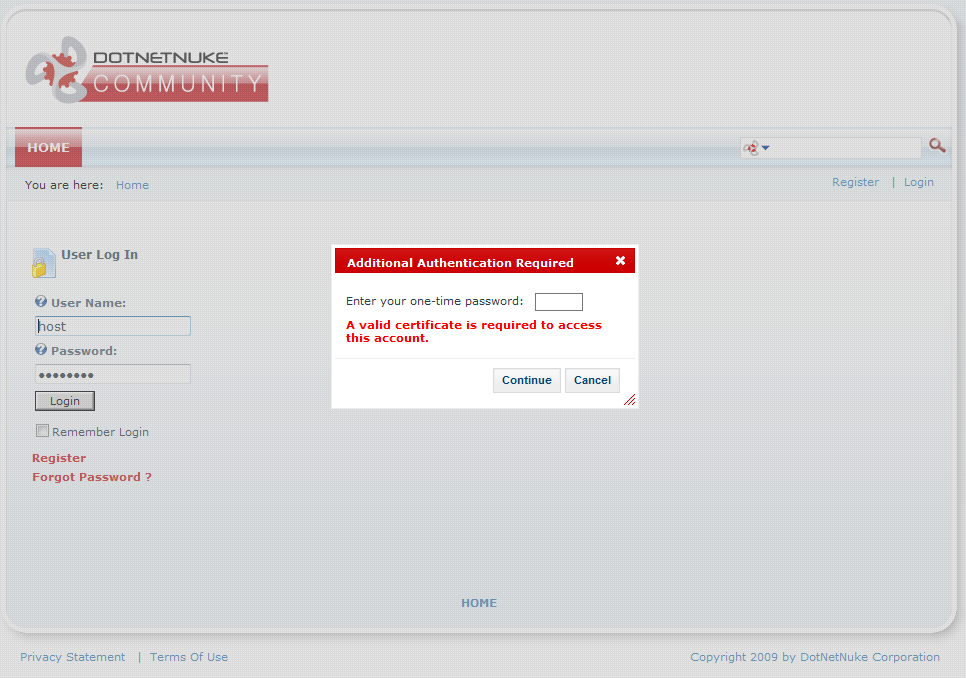
DotNetNuke Multifactor Authentication Requiring Password, One-Time SMS PIN, and X.509 Certificate
I am pleased to announce an initial release of a multi-factor provider for the DotNetNuke content management system.
This authentication provider allows a host to configure enhanced authentication (including SMS, SMTP, YubiKey, and X.509 certificates) for any number and combination of portal roles. Each factor must be fulfilled prior to authentication being granted, increasing overall security.
This package may be downloaded from it’s project site, located at http://dnnmultifactor.codeplex.com.