
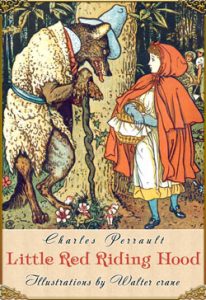
“The Little Red Riding Hood” is a timeless fable that provides valuable insights into effective management practices, such as experience, results-driven approach, and intelligent decision-making.
The main character, Little Red Riding Hood, represents an inexperienced young person, while the wolf embodies an experienced and goal-oriented manager. The wolf has a clear goal and vision of staying safe and increasing his food supply. He achieves his goal through intelligent management practices, such as identifying potential threats, delaying his impulses, and collecting information to identify opportunities.
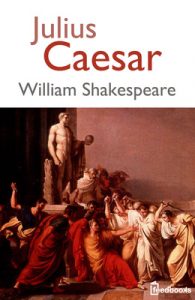 Shakespeare’s Julius Caesar offers a valuable lesson about the importance of predicting the future. Throughout classical works, there is often a soothsayer who provides insight into the future, and there are various signs that suggest the prophecy may come true. In Julius Caesar, for instance, a soothsayer warns Caesar of “the Ides of March” in the first act, and later Caesar’s wife Calpurnia shares her concerns about his potential assassination due to a nightmare she had. Despite these warnings, Caesar does not take them seriously, and he meets a tragic end. Likewise, other characters in the play, including Brutus and Cassius, fail to predict the consequences of their actions.
 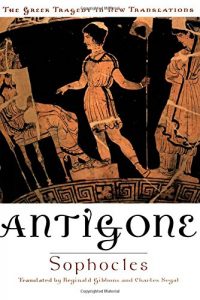 Antigone, a play written by Sophocles, is a remarkable example of leadership that is not often discussed in management textbooks. While most leadership examples come from assigned leaders such as CEOs or departmental managers, leadership often starts with rebellion from someone who is not in a position of authority. Antigone, the titular character of the play, serves as a prime example of an informal leader who challenges authority.


 Melville’s Billy Budd is a thought-provoking novel that delves into the importance of making objective and fair decisions. In the story, the captain of the Bellipotent is faced with a difficult decision after sailor Billy Budd is accused of killing John Claggart, the master-at-arms. As a witness to the incident, Captain Vere knows that it was an accident and that Billy Budd did not intend to kill Claggart. However, he must make a decision about how to handle the situation.
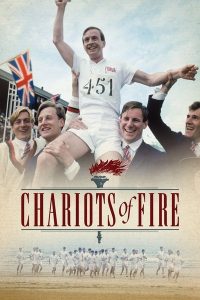 Chariots of Fire is an excellent example of the importance of sticking to one’s values, principles, and mission. The movie portrays the story of two athletes who do not run for selfish reasons like money or fame. One of them runs to honor God, be an exemplary man, a devoted Christian, and a successful athlete. The other runs to break down prejudices against Jewish people. Despite facing significant elitist pressure, both athletes remain unwavering in their convictions.